Prosthetic technology has made incredible advancements over the years. Today, microprocessor-controlled prostheses not only restore mobility but also simplify daily life.
Prostheses are among the oldest medical devices in history. However, the story of microprocessor-controlled prostheses began in the 1990s. With advancements in technology, these prostheses have become smaller, lighter, and more functional.
So, what exactly are these prostheses? How much do they cost? What are their types and advantages?
What is a Microprocessor-Controlled Prosthesis?
Microprocessor-controlled prostheses are advanced technology prostheses equipped with sophisticated microprocessors that analyze and adapt to the user’s movements.
These prostheses are fitted with sensors that detect muscle movements and body weight. Much like an autopilot system in a car, these prostheses adjust themselves according to the user’s needs.
Prices of Microprocessor-Controlled Prostheses
The prices of microprocessor-controlled prostheses vary depending on the technology used, material quality, and the type of prosthesis. In Turkey, prices typically range between 21000 USD and 73000 USD. Health insurance or private aid organizations may provide support to cover the cost of these prostheses.
Microprocessor Prosthesis Types
At the core of these prostheses are sensors that detect the user’s movements and a microprocessor that processes this information. The microprocessor analyzes data from the sensors to optimize the prosthesis’s movement. For instance, when climbing or descending a slope, the prosthesis ensures balance by considering the user’s weight and speed. If we were to list the available options for microprocessor-controlled prostheses:
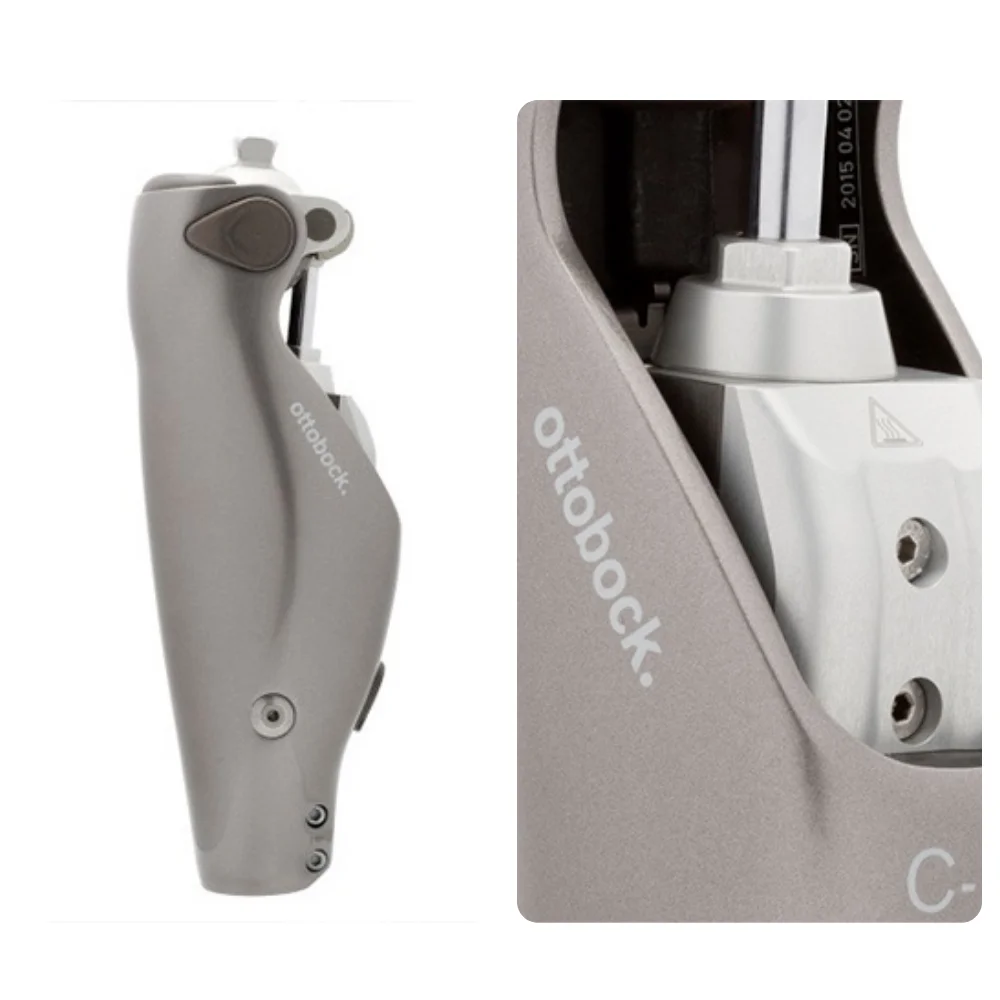
C-LEG Knee Joint
Developed by Ottobock for above-knee amputees, the C-Leg is an advanced microprocessor-controlled knee prosthesis designed for users seeking independence and freedom of movement in daily life. With its advanced sensor system, it adapts to different walking speeds and movement scenarios, offering a safe and seamless experience for activities such as slow or fast walking, overcoming obstacles, and climbing or descending stairs.
The C-Leg performs 50 measurements per second to optimize the swing phase and provide a natural walking pattern. Its impact-absorbing mechanism activates during critical stumbling situations, minimizing the risk of falls and allowing users to quickly resume their movements. The stability it offers in crowded spaces, ramps, and narrow passages enables users to navigate a broader range of environments with confidence. Combining freedom of movement with safety, the C-Leg sets a new standard of living for amputees.
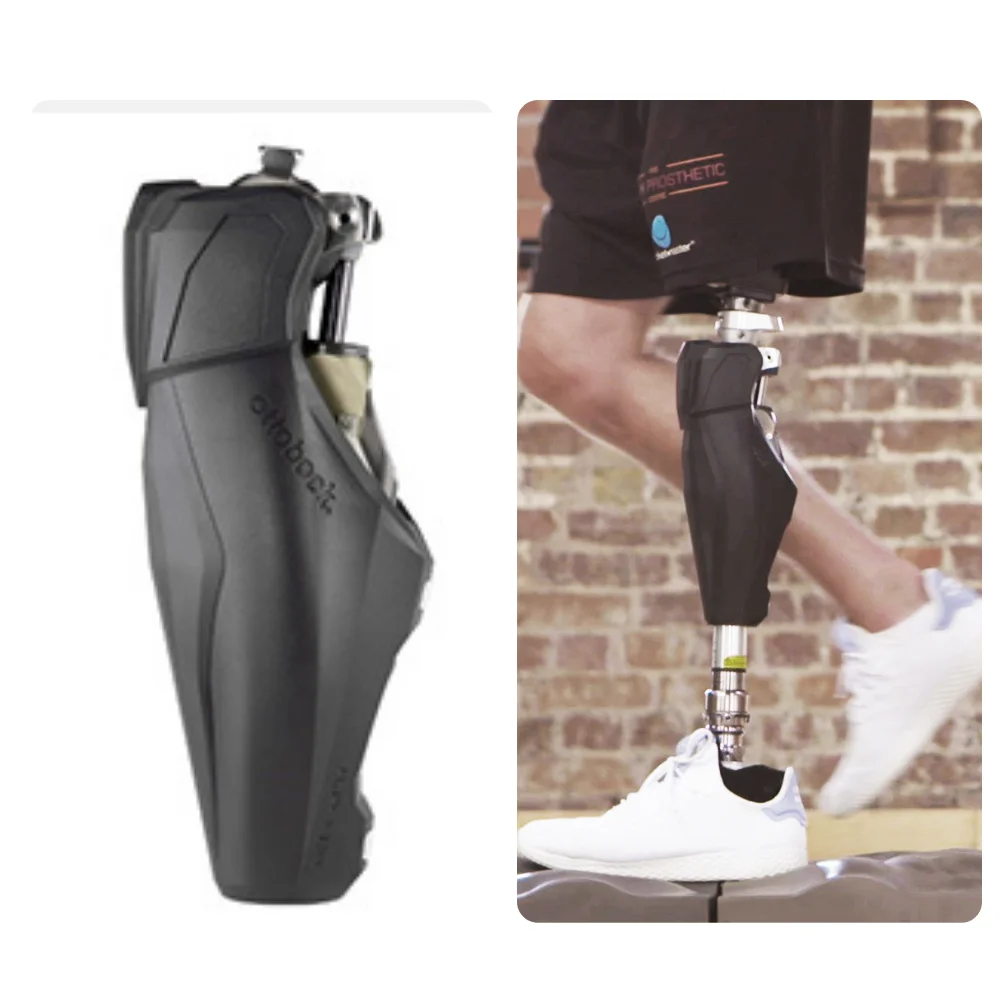
GENIUM X3 Knee Joint
The Genium X3, developed by Ottobock, is an innovative prosthetic system that uniquely combines functionality with intuitive usability. Designed to mimic a walking pattern as closely as possible to human physiology, this system provides extensive freedom of movement for daily life and sports activities.
The Genium X3 features intuitive and adaptive capabilities that support complex movements such as walking backward, adapting to different speeds and stride lengths, and climbing stairs. Additionally, it includes a running mode specifically designed for sports activities, enabling users to engage in walking and running exercises. In this mode, the OPG (Optimized Physiological Gait) function, which supports full extension of the lower leg, is disabled, allowing for more dynamic motion.
The system is designed with five different mode options to suit users’ needs. Its water- and wear-resistant structure enables safe use in challenging conditions, such as showering, swimming in the sea, and demanding work environments. This innovative prosthesis offers unparalleled freedom of movement and comfort for users in daily life as well as work and sports activities.
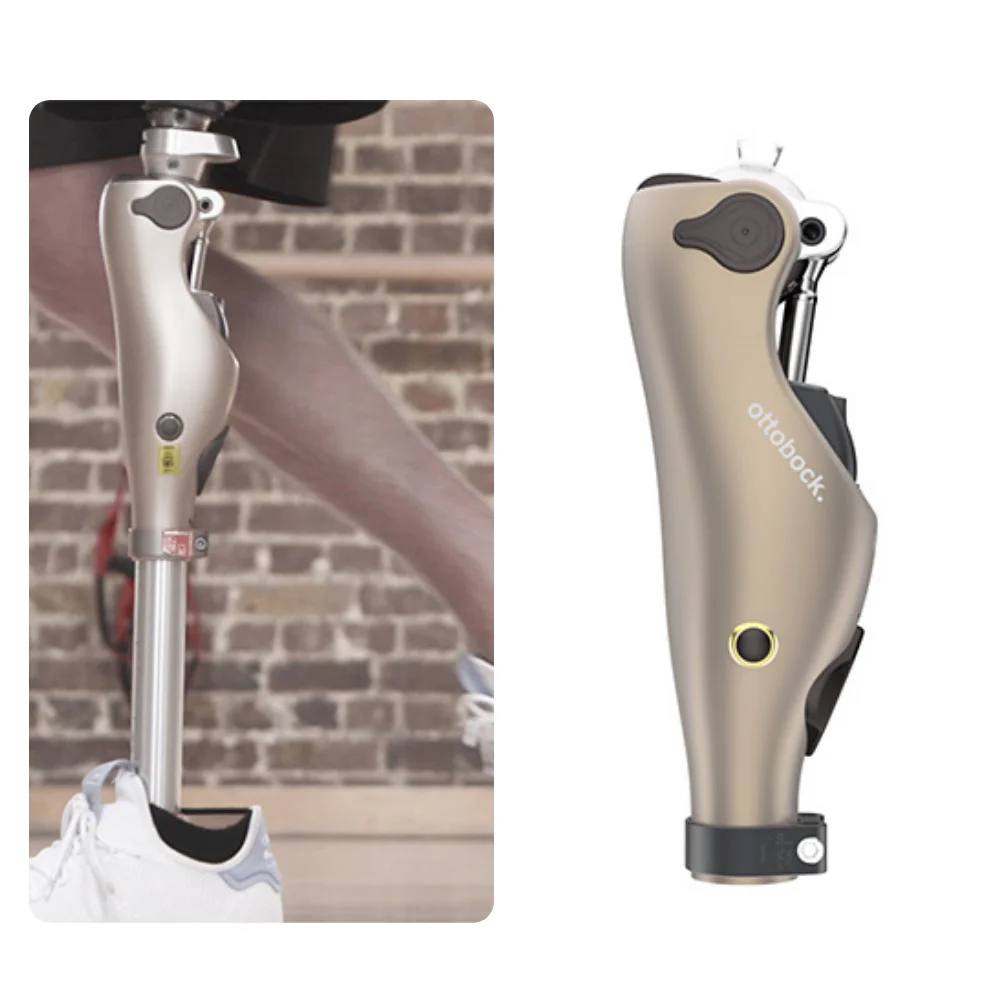
KENEVO Knee Prosthesis
Starting to walk with a prosthesis signifies a step-by-step journey toward regaining freedom of movement and a sense of confidence. While the initial phase may require assistive devices and limited mobility, a more independent and active life becomes possible as trust in the prosthetic system grows. Kenevo supports users in this process with its safety-focused design and high adaptability.
Kenevo’s core functions provide support for typical daily situations while its advanced activity modes adapt to the user’s capabilities, easing the rehabilitation process. This prosthesis evolves with the user’s increasing skills and offers flexible use by adapting to reduced mobility when necessary.
The new Kenevo features a range of innovative functions designed to simplify daily life and enhance the user experience. It supports complex movements such as descending ramps and provides intuitive functionality, such as use on a bicycle ergometer. Additionally, wearing the prosthesis, applying cosmetic covers, and charging have been made more convenient. Users can easily configure prosthetic settings via the Cockpit App on a smartphone.
Kenevo is a safe and adaptable prosthetic system that empowers users both physically and psychologically, guiding them from the rehabilitation phase to an independent life.
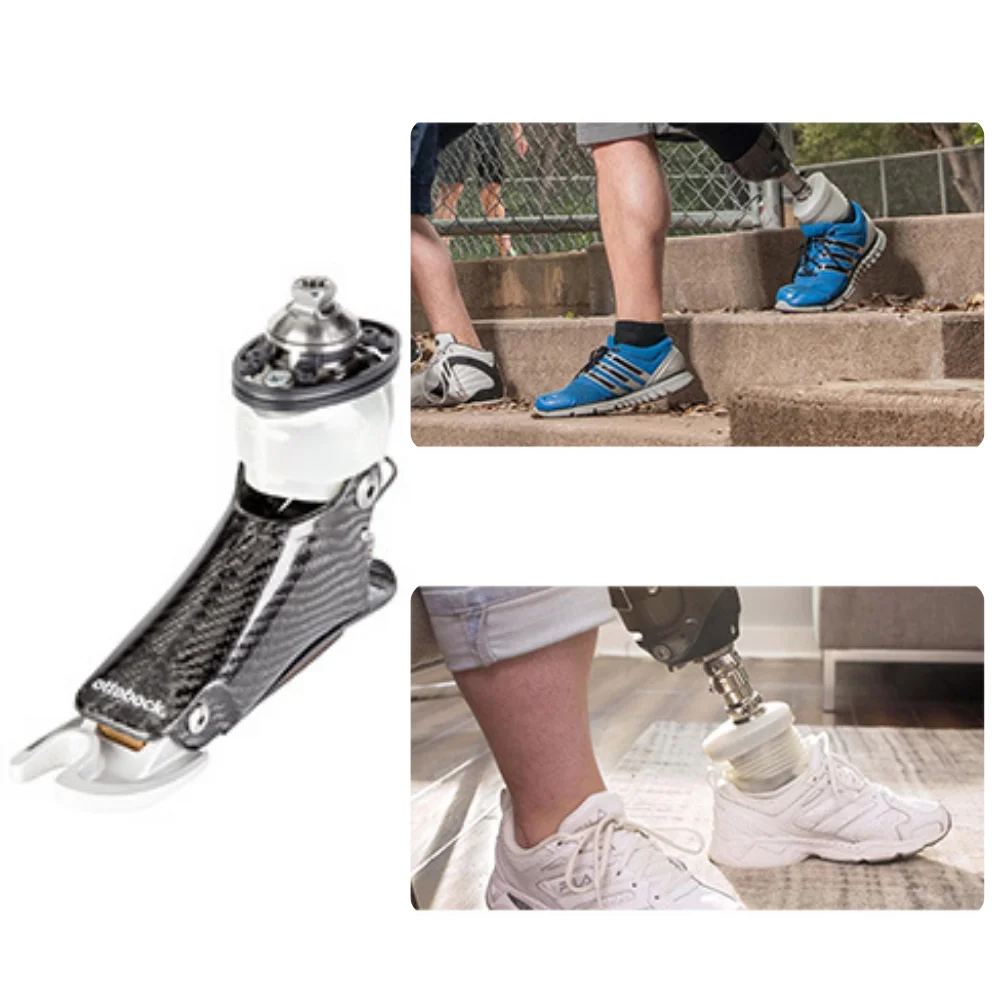
MERIDIUM Microprocessor Prosthetic Foot
The new Meridium prosthetic foot is an advanced technological product offering a high level of safety, enhanced adaptability, and a natural movement sequence. With its unique 4-axis design and real-time hydraulic control system, it instantly adapts to the user’s walking speed and ground conditions. Whether on slopes, stairs, or uneven terrain, Meridium provides balance and comfort in every situation.
In a seated position, the entire prosthetic foot lowers toward the ground, reducing pressure on the residual limb and providing comfort. Additionally, the automatic heel height adjustment feature allows Meridium to be easily used with various types of footwear. The challenges caused by constant shoe changes are now a thing of the past. Meridium offers a quick and practical way to adjust heel height according to the user’s needs, making it a versatile solution for every scenario.
The Meridium prosthetic foot is modern prosthetic technology designed to increase mobility and provide flexibility and comfort, both in daily life and during special activities.
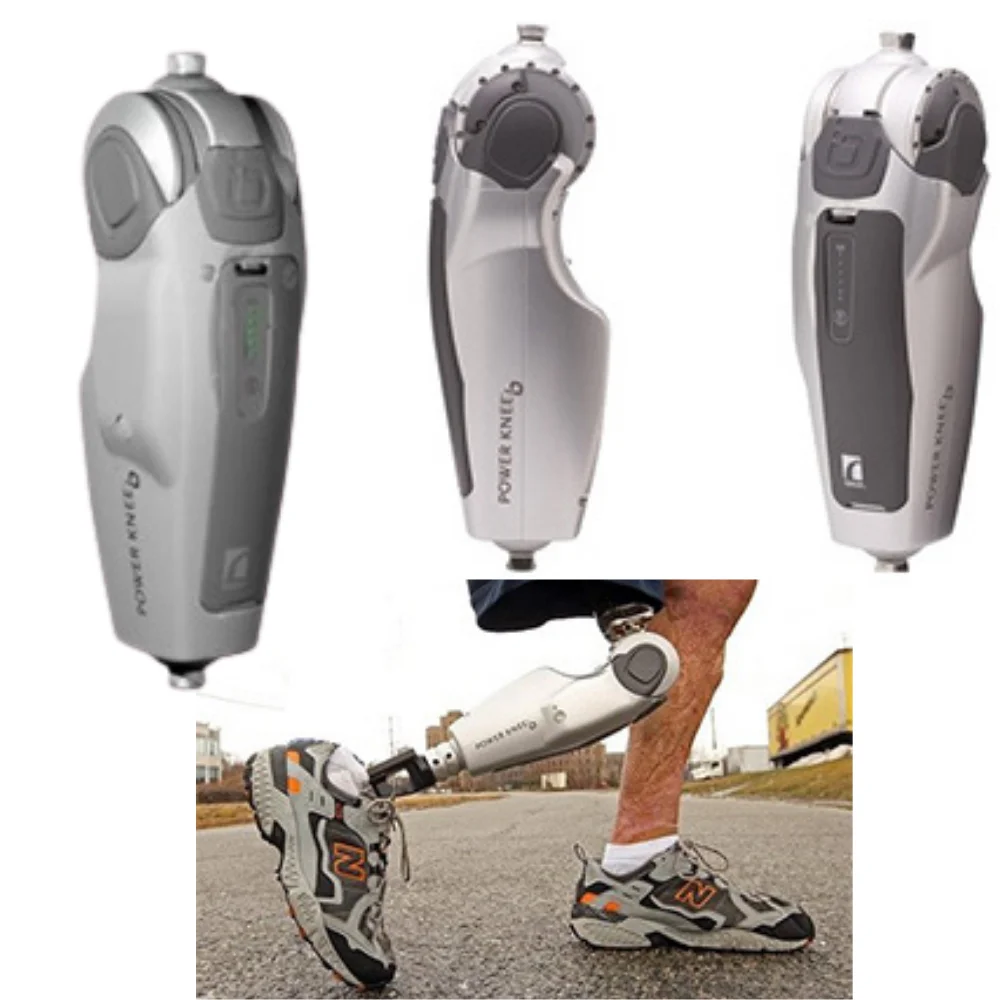
POWER KNEE
The Power Knee, developed by Össur, is a single-motorized knee joint designed to provide active movement and compensate for the lost muscular functions of the amputated limb, enabling users to move forward with greater capability. By maintaining the natural rhythm of walking, the knee integrates artificial intelligence and power motors to work seamlessly. This allows Power Knee to offer users a long, natural, and safe walking experience.
The advanced actuation and resistance control system ensures optimal resistance in any situation. For example, it provides extra support when descending stairs, while enabling effortless walking on flat surfaces. The extension power assists users in rising from a seated position, walking on inclined surfaces, and straightening the knee during stair climbing, all made possible by the motorized joint.
With active swing movement, the Power Knee eliminates the need for hip swing, enabling a natural walking motion. Additionally, its active knee flexion feature allows it to actively bend on various terrains, increasing safety by preventing stumbling or tripping and reducing the risk of falls.
Finally, the Power Knee mimics natural proprioception, predicting the next steps during walking and adjusting joint movement accordingly. All algorithms are designed to optimize and synchronize the gait, providing a safer and more efficient walking experience.
RHEO KNEE
The RHEO KNEE 3, developed by Össur, is an advanced microprocessor-controlled knee joint that mimics natural knee functions and continuously adapts to the user and environmental conditions. Offering high stability and dynamic balance, this prosthesis ensures a safe and natural movement experience in any setting.
The effortless swing initiation of the RHEO KNEE 3 enables smooth and fluid walking even in challenging conditions, such as narrow spaces or crowded environments. Its advanced actuation and resistance control mechanism provides optimal resistance tailored to the user’s needs—offering more support when descending stairs and allowing minimal effort for walking on flat surfaces.
The continuous power release feature creates a natural movement sequence during the swing phase, ensuring a more comfortable walking experience for the user. The five-sensor gait detection system and innovative gyroscope technology provide excellent stability and dynamic responsiveness in all situations.
Equipped with magnetorheological technology, the RHEO KNEE 3 reacts instantly, eliminating the need for users to wait for the knee to adapt to their pace. This capability delivers seamless adjustment and fluidity during movement, elevating the user experience to the highest level.
RHEO KNEE®XC
The RHEO KNEE® XC is offered alongside Össur Logic software, enabling professionals to easily configure user-specific functionality settings and access valuable activity reports. This software includes an enhanced user mode that allows clinicians to monitor the prosthetic knee’s status and battery level, as well as access a tailored training program designed to meet the user’s needs.
The Össur Logic training feature supports clinicians in assisting users and simplifying the rehabilitation process. The program provides simple exercises adapted to individual pacing, encouraging users to practice both at rehabilitation centers and at home. These exercises aim to boost user confidence and improve gait patterns. Training content includes activities such as symmetrical weight-bearing, toe-roll transitions, more symmetrical sitting, and descending stairs.
The RHEO KNEE® XC is equipped with innovative technologies designed to enhance users’ mobility and contribute to greater independence in daily life.
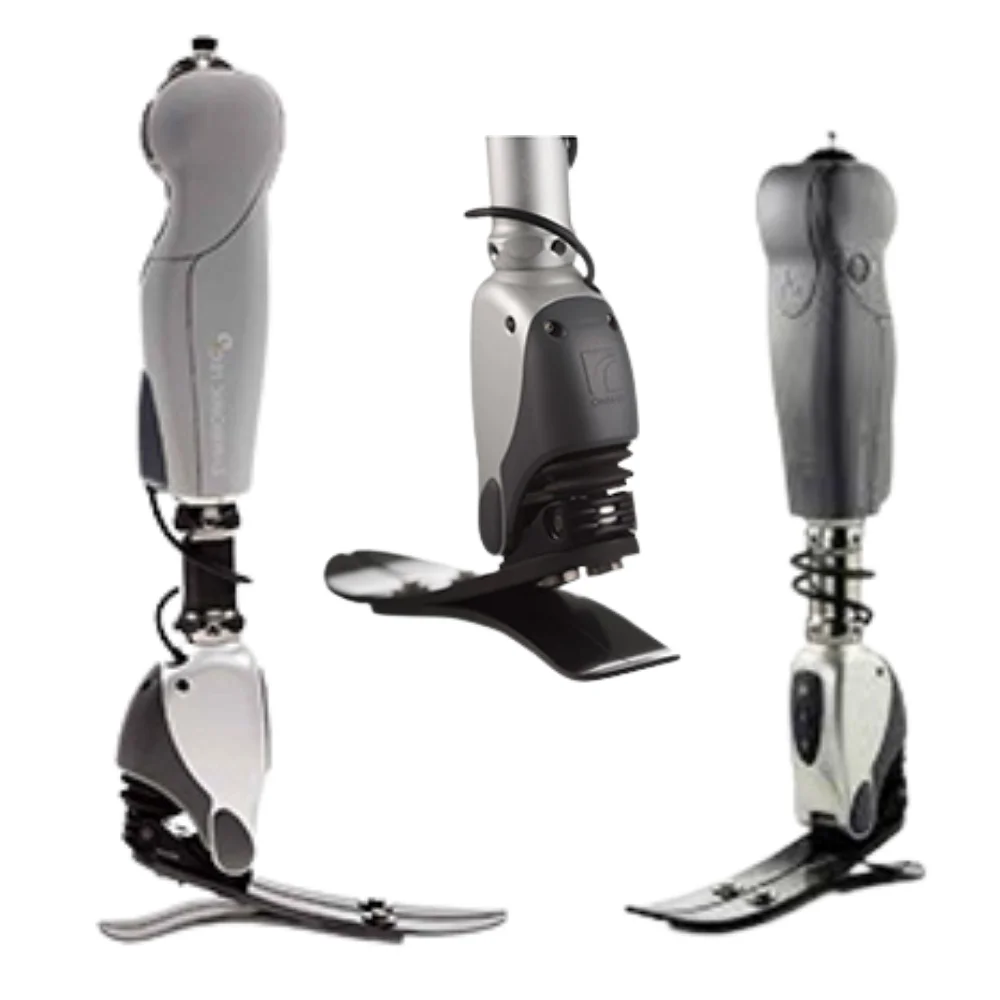
SYMBIONIC LEG
SYMBIONIC LEG 3, Össur’s most advanced bionic technology, is a next-generation integrated prosthetic system combining a microprocessor-controlled knee joint with a motorized, microprocessor-controlled ankle offering proactive ankle flexion. This innovative design allows users to move naturally without needing to adapt to their prosthesis or compromise their mobility.
Developed to enhance safety, symmetry, and confidence, SYMBIONIC LEG 3 is equipped with advanced technological features aimed at providing a more natural, balanced, and secure movement experience in daily life. This integrated system not only addresses individual needs but also delivers high performance in daily activities, elevating mobility to its highest potential.
As a pioneer of modern bionic prosthetic technology, SYMBIONIC LEG 3 offers a solution designed to increase user independence and improve quality of life.
Frequently Asked Questions
Dentures should be cleaned regularly and sent to the technical service. Additionally, it must be ensured that the sensors are working correctly.
Yes, there are microprocessor prosthetics specially designed for children.
The lifespan of dentures generally varies between 5-8 years. However, regular maintenance can extend its life.
These prostheses are generally suitable for individuals who have post-traumatic limb loss, congenital limb deficiencies, or individuals with limb loss due to chronic diseases. As a result of the evaluation of doctors and physiotherapists, the most suitable prosthesis for the person is determined.
More Smooth Movement: Compared to traditional dentures, microprocessor dentures provide a more natural and fluid movement.
Stability and Safety: Offers greater stability on slopes, stairs or uneven terrain.
Less Energy Consumption: Users spend less energy in their daily activities.
+90 (552) 892 06 36
Phone (Ankara)
+90 (312) 310 96 67
Phone (İstanbul)
+90 (212) 210 02 40
info@ortoport.com.tr
Weekdays
09:00 - 18:00
“We are reshaping life together.”